
 EN
 CN
 fr
 es
 ar
 ru
 de
 pt
 tr
 vi
 it
 ja
 ko
 hi

oxidized manganese in Indonesia
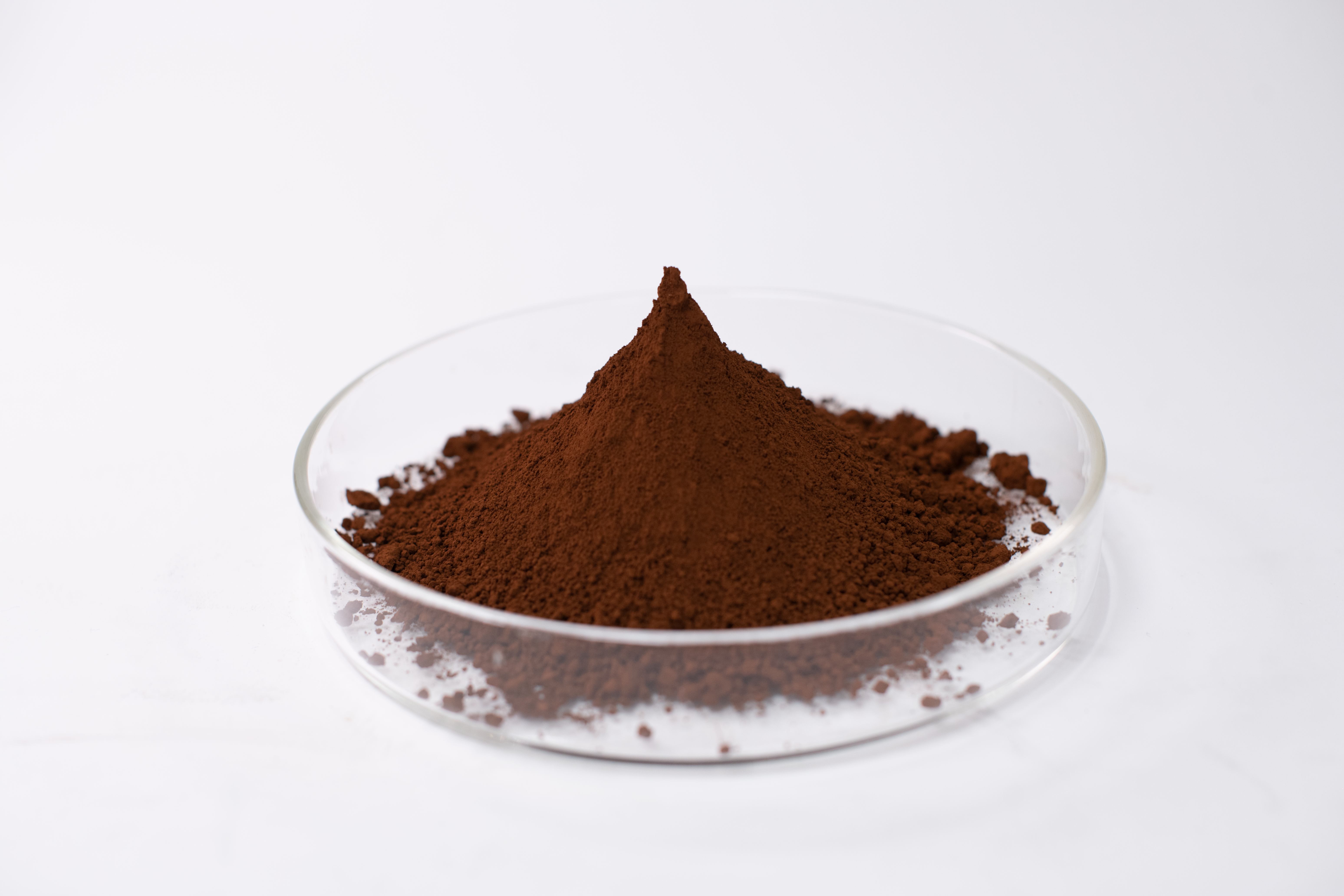
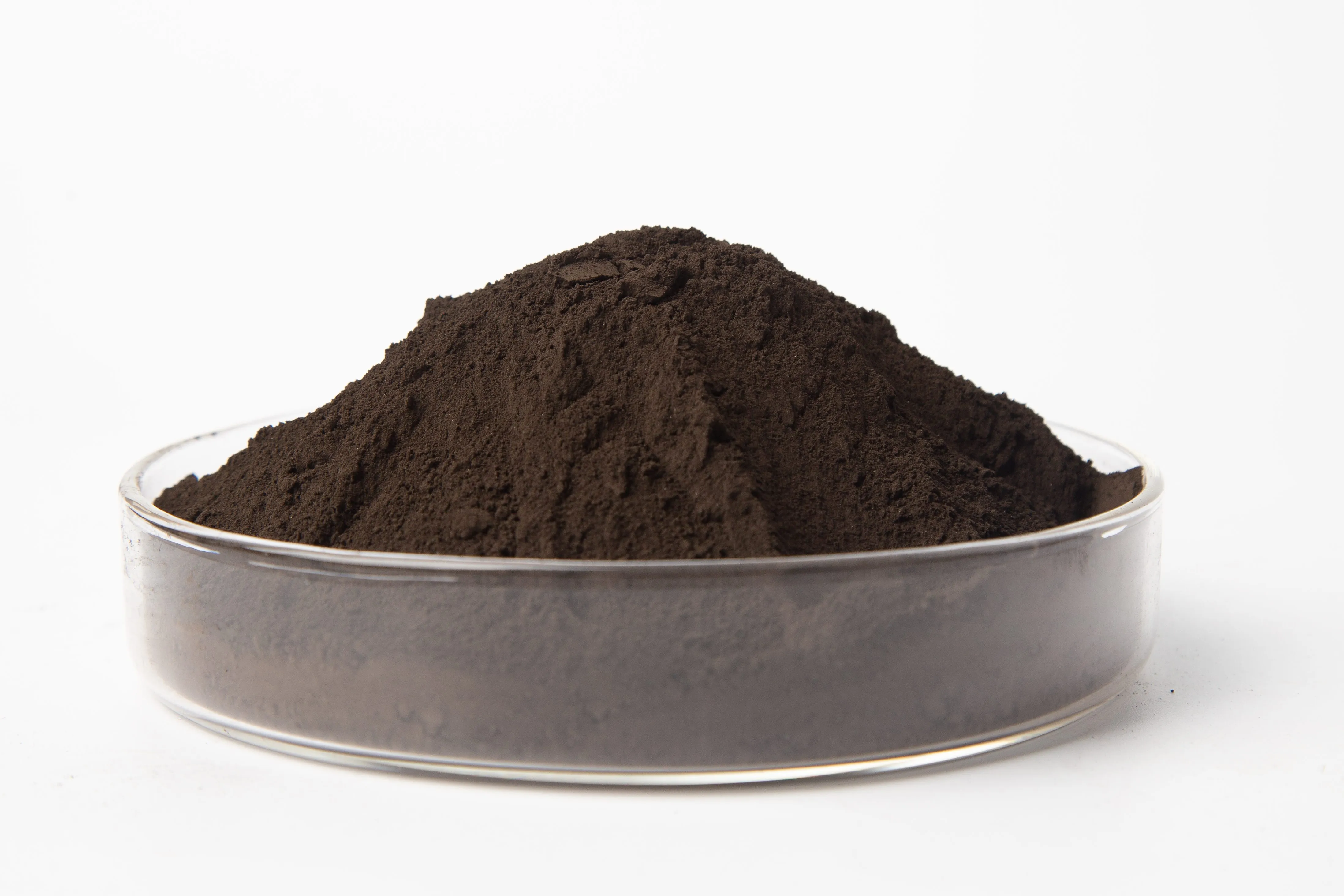
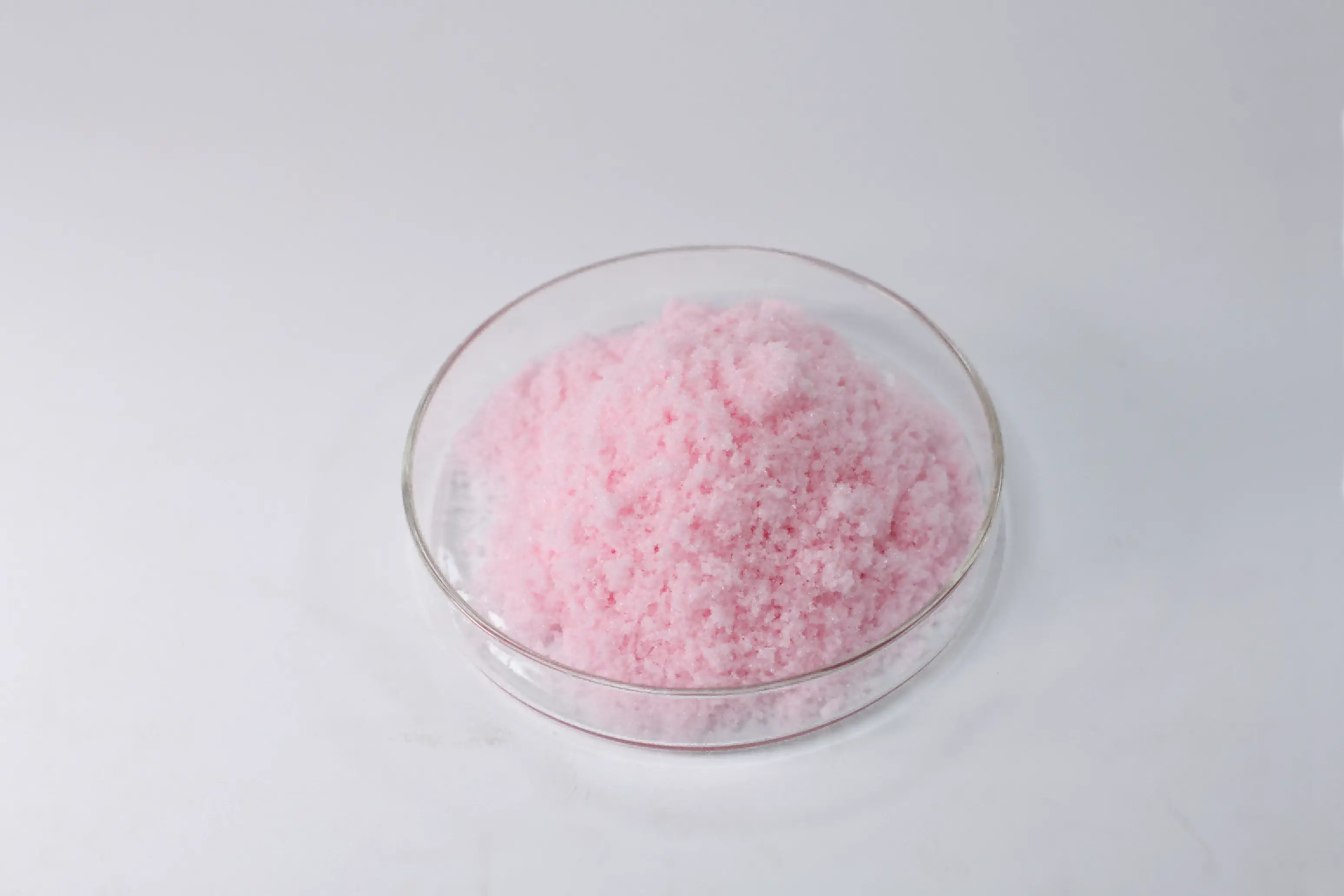
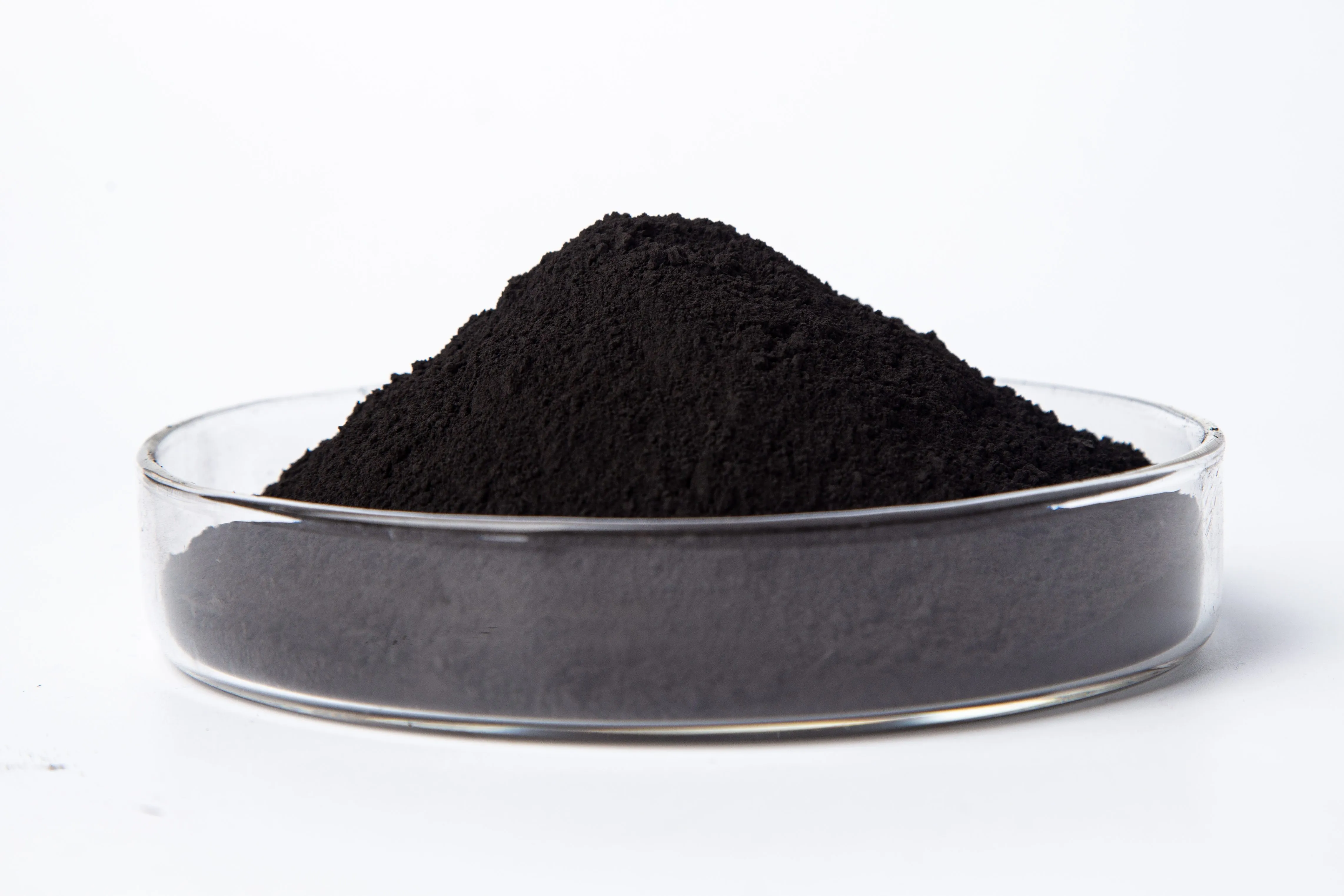
oxidized manganese in Indonesia has been designed to give constant industrial performance in chemical and material applications. Its stable chemical composition and fine particle morphology enable consistent mixing into various applications like alloys, catalysts, pigments, and electrode materials. The uniformity of the powder guarantees that the dispersion is predictable and that there are reproducible results whether in batch or continuous processes. The manufacturers enjoy increased operational efficiency, better material utilization, and consistent quality outcomes. oxidized manganese in Indonesia is there to support large-scale production workflows and process control that is always reliable, thus empowering accurate performance in large-volume industrial manufacturing.
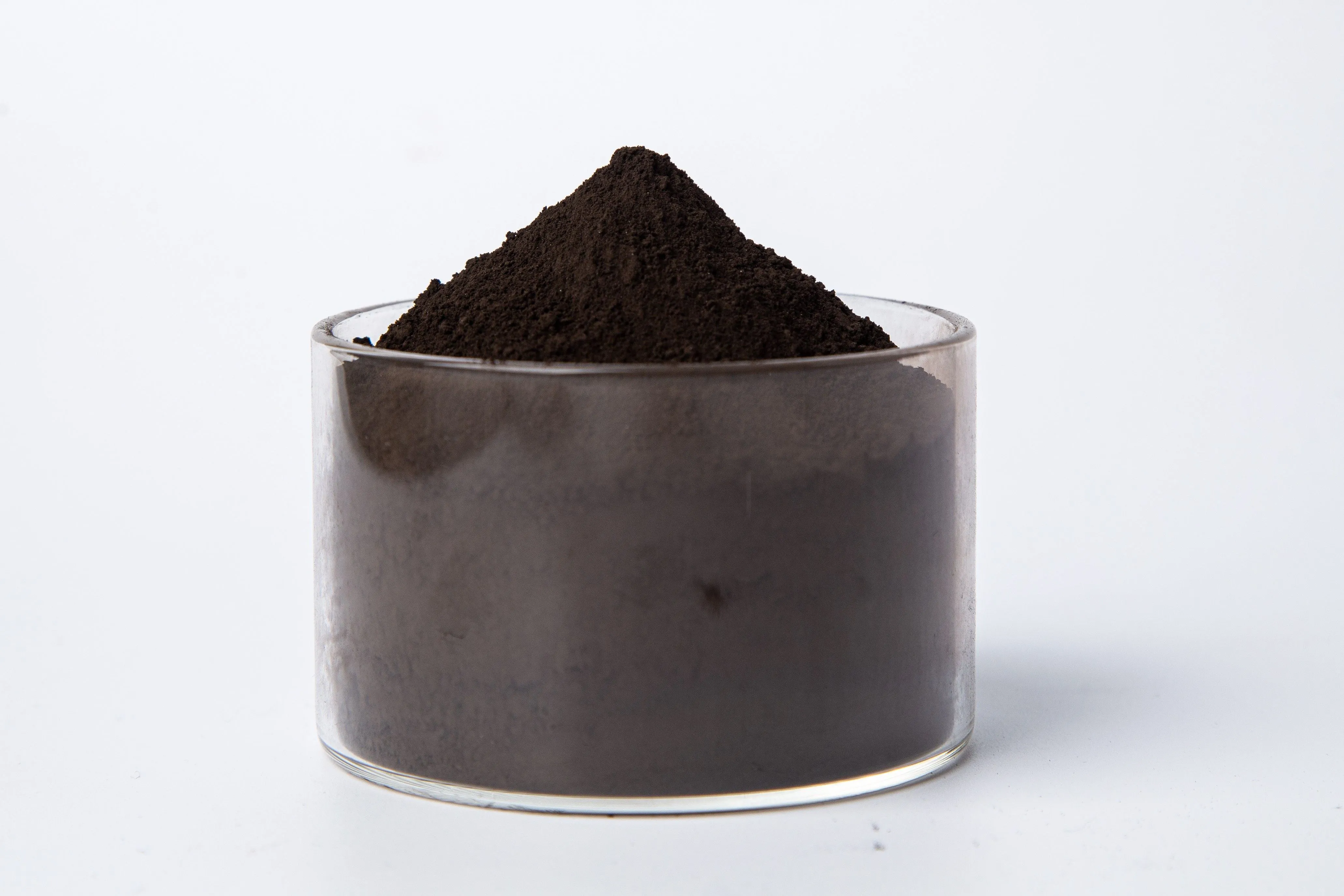
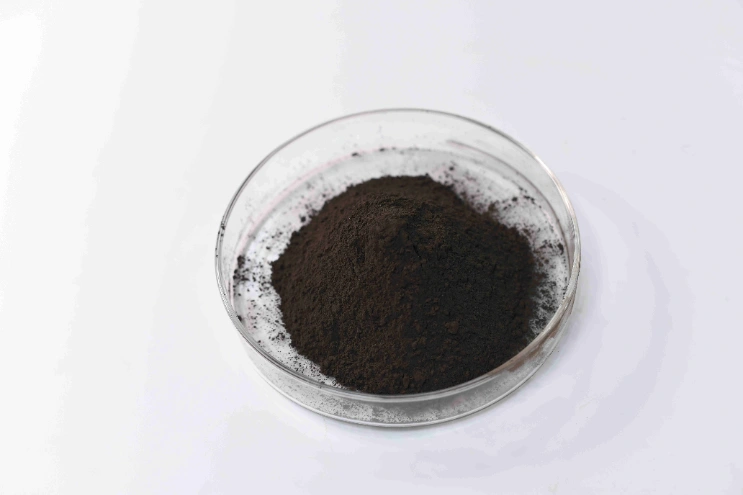
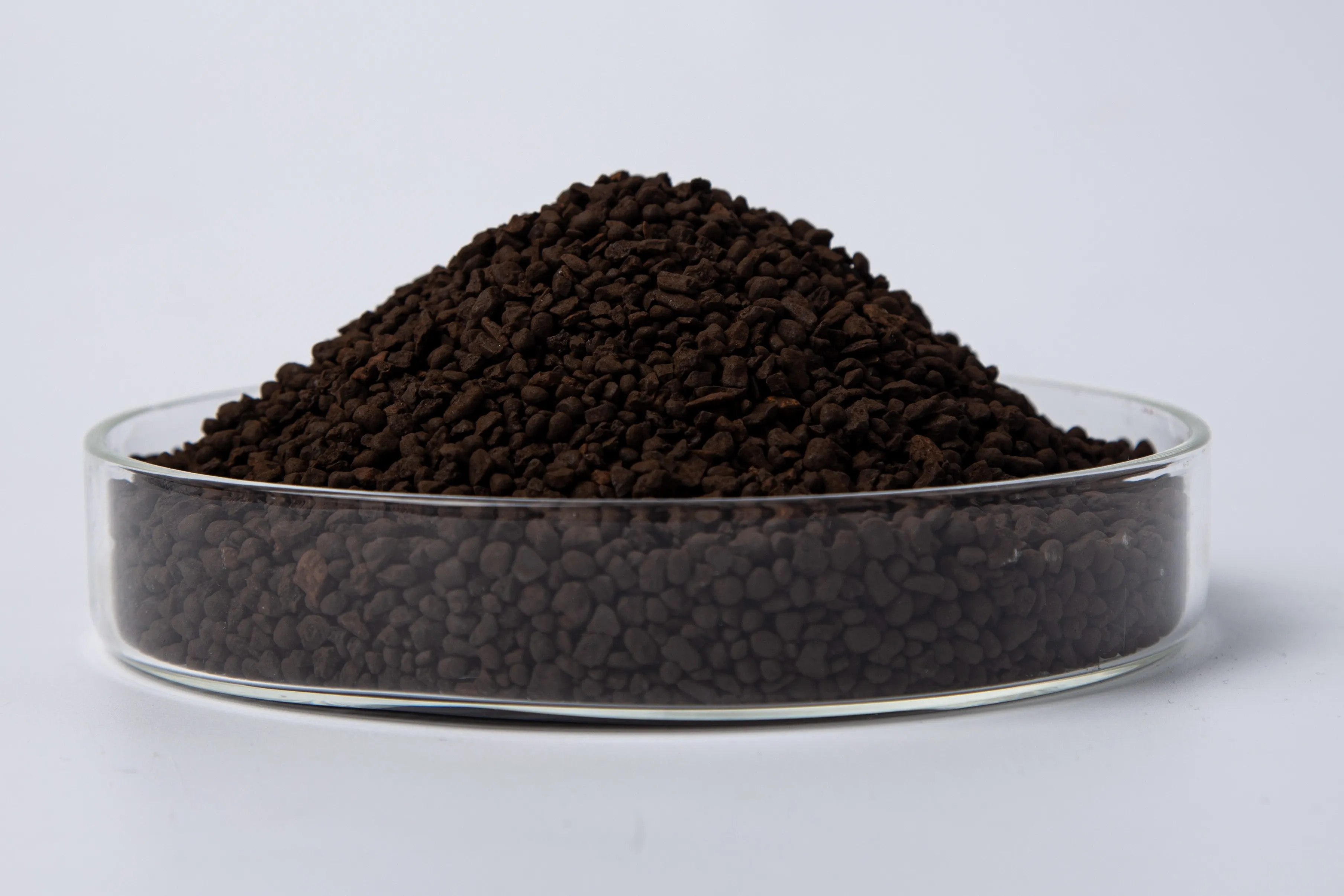
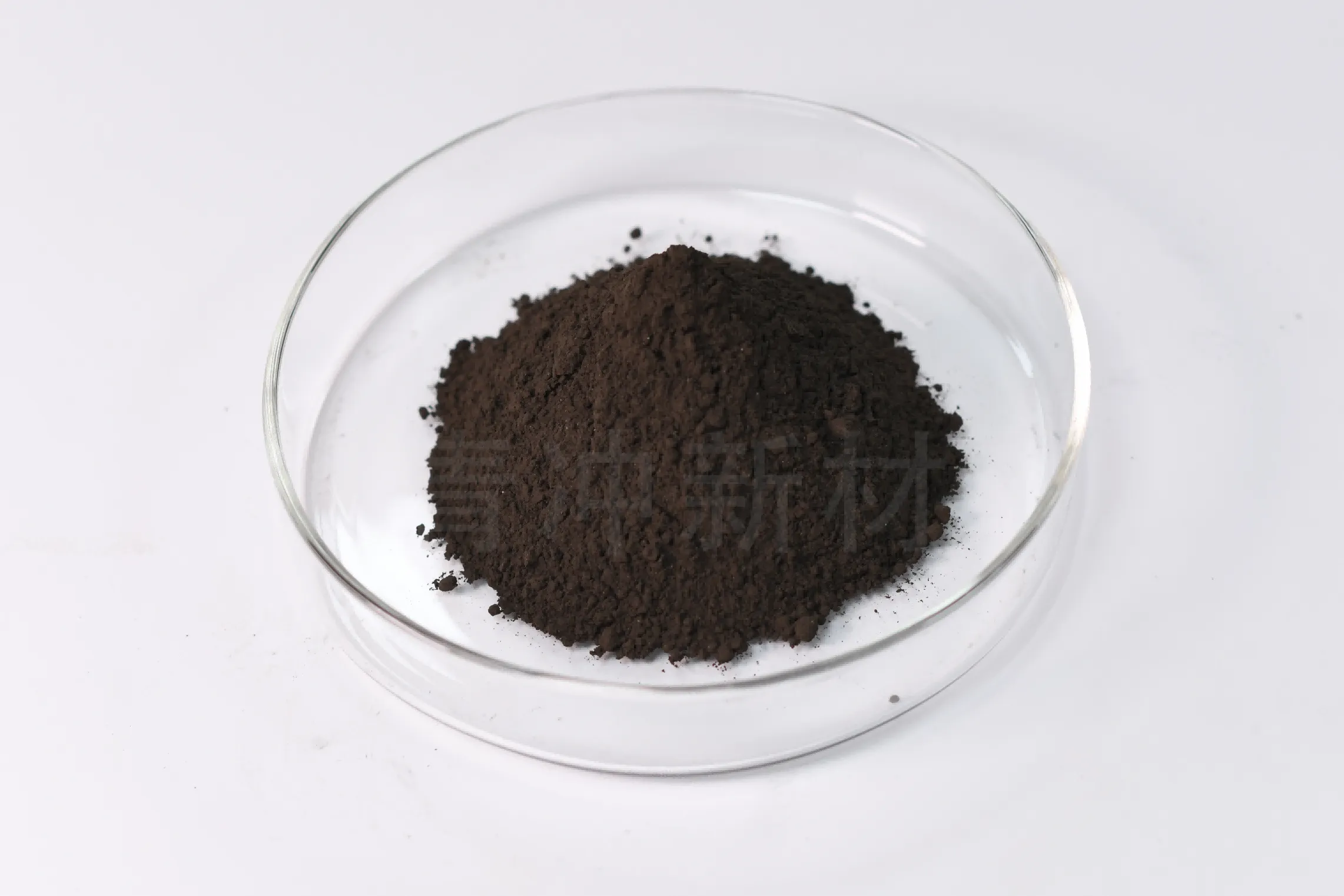
Application of oxidized manganese in Indonesia
oxidized manganese in Indonesia is the widely accepted raw material for the manufacture of high-performance alloys. The melting or casting process can be controlled very precisely with manganese content due to its uniformity. The use of powder guarantees that the entire alloy will get the same treatment, thus supporting the same mechanical strength and the same level of resistance to corrosion. It is used by manufacturers in every kind of metallurgical process, whether small or large, to achieve the desired material properties. oxidized manganese in Indonesia has made it possible to get predictable performance in industrial alloy production by improving reproducibility and reducing batch-to-batch variability. Thus, it is a dependable factor in high-quality metallic applications that call for uniform elemental integration.
The future of oxidized manganese in Indonesia
In the production of chemicals, oxidized manganese in Indonesia will seem like a necessity for more advanced oxidation and catalytic methods. Its stable character in chemical reactions makes it easy to predict the outcome of the reactions, thus providing the opportunity of working with a higher volume of material and getting the same good results every time. The future development of process control systems might take advantage of its consistent shape to speed up the reactions and increase the efficiency. The coming time of industrial procedures with oxidized manganese in Indonesia will be a period of operational reliability, minimized interruptions, and working with a high level of accuracy over the chemical changes taking place in large quantities.
Care & Maintenance of oxidized manganese in Indonesia
The oxidized manganese in Indonesia management that is effective involves good storage, careful handling and constant monitoring. Make sure that the containers are both sealed and placed on flat surfaces. To keep the particle distribution, do not use mechanical means to disturb the sample during its transfer. Use feeding equipment with high accuracy so that there will be uniform mixing with the production lines. Periodic checking of batch consistency guarantees that the different processes are producing the same quality of product. These practices not only maintain the chemical and physical integrity of the oxidized manganese in Indonesia, but also enable scalable industrial workflows and predictable operational performance across multiple applications.
QingChong oxidized manganese in Indonesia
In surface finishing and polishing applications, oxidized manganese in Indonesia adds to the performance of both the mechanical and the chemical nature. Its fine particle size guarantees the controlled abrasion and uniform interaction with the treated surfaces. The powder’s stable chemical properties allow the predictable behavior to be a supportive factor for the quality of the finishing to be consistent. Manufacturers use oxidized manganese in Indonesia in the automated or big-scale workflows to keep the consistency, cutting down on the deviations, and increasing the operational efficiency. Its uniform traits grant exact commanding of polishing effects thus, making it a precious thing for high-precision industrial surface treatment processes.
FAQ
Q: What are the primary industrial uses of Manganese Oxide? A: The compound finds its applications across various fields including metallurgy and chemical synthesis and energy storage materials and pigments and catalytic applications. Q: How should Manganese Oxide be stored? A: Store it in sealed containers under stable temperature and minimal vibration to maintain particle uniformity. Q: Can Manganese Oxide be integrated into automated production lines? A: The material achieves seamless integration into automated production systems because its uniform particle size and stable chemical properties make it suitable for automated workflows. Q: What advantages does Manganese Oxide offer in alloy production? A: It ensures precise manganese content, uniform distribution, and predictable mechanical properties in alloys. Q: How do manufacturers maintain batch consistency using Manganese Oxide? A: The process requires controlled handling and calibrated dosing and regular inspection to stop segregation and aggregation.
Reviews
Charlotte Martin
Manganese Oxide supplied is of superior quality, with uniform particle size and stable chemical composition. It has allowed predictable alloying and chemical reactions, enhancing workflow efficiency in our production lines.
Olivia Davis
The Chemical Manganese Dioxide we received is highly reactive yet stable for industrial applications. Its fine particle distribution has allowed us to maintain reproducible chemical reactions, increasing productivity and reducing waste significantly.
Latest Inquiries
To protect the privacy of our buyers, only public service email domains like Gmail, Yahoo, and MSN will be displayed. Additionally, only a limited portion of the inquiry content will be shown.
Noah****@gmail.comSouth Africa
Hello, we are interested in sourcing Manganese Oxide for metallurgical applications. Please send spe...
Lucas****@gmail.comAustralia
Hello, we are interested in Chemical Manganese Dioxide for industrial chemical reactions. Please sha...